
Important note: The realized return on an individual project may vary significantly from your portfolio-level return as an investor. To learn more about why this may be the case, see the “How did this project impact your portfolio?” section.
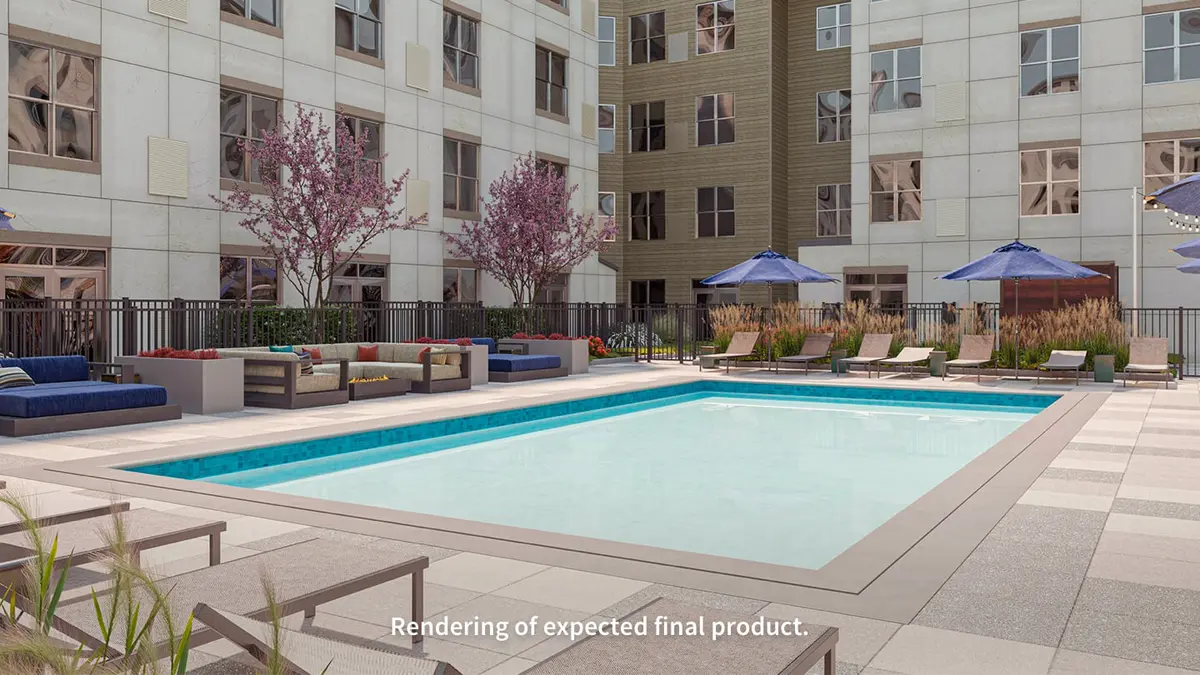
In August 2018, we invested $3.75 million in the construction of the Walcott Hackensack, a 235-unit apartment community in Hackensack, New Jersey, just outside of New York City.
Our loan was used to finance the community’s ground up development, with construction beginning shortly after we made our investment. Though the project encountered some early delays, due to complications related to permitting and a need to replace the project’s general contractor, it made considerable headway throughout the past year, despite the impacts of COVID-19.
Today, we’re pleased to share that construction at the Walcott Hackensack is wrapping up, with certificates of occupancy expected to be secured by the end of this year. Now that they’ve made substantial progress, they’ve refinanced the property and paid back the construction loan. Per the terms of our preferred structure investment (which is similar to debt), we earned an annualized return of roughly 10.25% over the life of the investment.
As part of this refinancing, we’ve invested back into the project through a new preferred structure investment, provided by the Income eREIT II. This new investment is expected to finance the project through the final stages of development and the process of leasing up tenants.
Investor FAQ: How does this project impact your portfolio?
This investment was structured like debt, where the project’s sponsor must pay us a fixed rate of return before they can earn a return for themselves, and their equity provides us with a cushion against losses. Throughout the term of this investment, the regular income it generated supported quarterly dividends for the East Coast eREIT.
This investment is part of our broader Fixed Income strategy, which has historically consisted primarily of short to medium-term loans or financing of new development. While we are actively evaluating the most attractive strategies to deploy into new income-generating investments in the current, historically low interest rate environment, it is reasonable to expect that yields on private real estate investments in the near term would generally be lower than they have been in the past (along with most other asset classes).
As always, if you have any questions or feedback, please visit our help center or reach out to us at investments@fundrise.com.