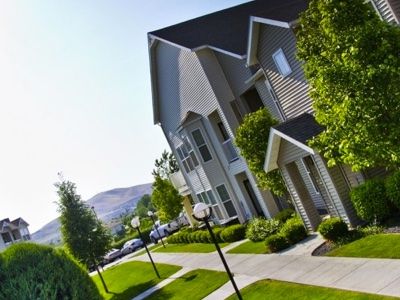

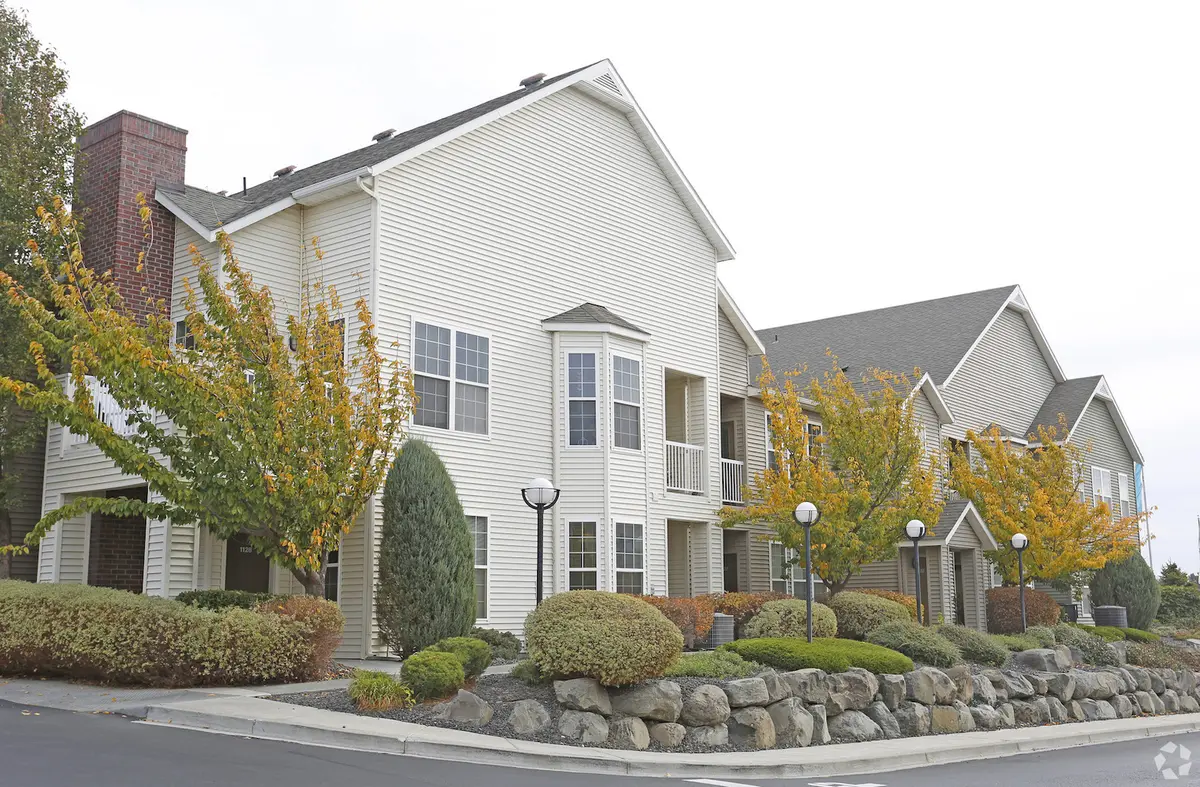
In September 2016, we partnered with an experienced sponsor to acquire the Villas at Meadow Springs apartments, a 286-unit apartment community in Richland, Washington. Our business plan aimed to increase the property value by performing minor renovations that would reduce maintenance costs while enabling us to boost rents.
We are pleased to report that our partner successfully executed on the renovation plans, which included replacing carpets, improving the parking area, executing on energy efficiency initiatives, and addressing aging utility systems.
Increased income, higher property value
The successful renovations, combined with favorable market conditions, have enabled us to command higher rents without compromising occupancy. As of September 30, 2018, the trailing 12-month net operating income (NOI) was up by roughly 12% over the trailing 12-month performance prior to our investment.
With the improvements to the property and the increases in income, we were able to refinance earlier this month and pull about $6.2 million of our original $8.5 million investment out of the deal to deploy elsewhere.
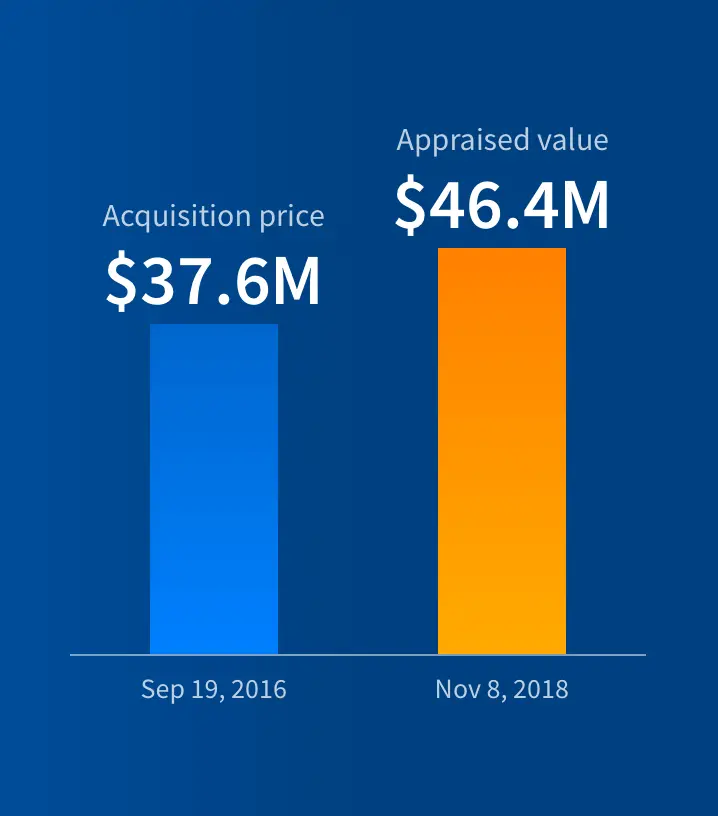
According to the appraisal ordered by our lender as part of the refinancing, we have increased the value of the property by more than 22% over the purchase price.
What this means for your portfolio
As an investor, you can expect to see the benefits of this success in two ways. First, we expect rental income from this property will continue to support quarterly dividend distributions for the Growth eREIT. Second, the increase in property value should be partially captured in the growing Net Asset Value (NAV) of your shares in the near term. If the asset is sold in a future liquidation event, you would capture the remaining value via a) an additional NAV increase or b) a distribution.
Looking ahead
Richland is one of the Tri-Cities in the southeastern portion of Washington, located near the Hanford Nuclear Site. Formerly a manufacturing facility for plutonium used in the US nuclear arsenal, it was decommissioned in 1987 and became a $50 billion EPA Superfund clean-up project, not expected to finish until 2035.
On site, the project employs roughly 1,500 construction workers. Another 1,600 scientists and engineers work in testing and research offices in Richland. Serving as a backbone of the local economy, this massive project supported employment that enabled Richland to ride through the last recession with job growth instead of decline.
Being cognizant of our current economic climate — late in the expansion phase of the economic cycle — we believe stable employment in Richland will continue to support demand for affordably priced apartment housing, even in the event of a broader economic downturn.
We look forward to providing you with additional updates on this project throughout the course of our investment.